
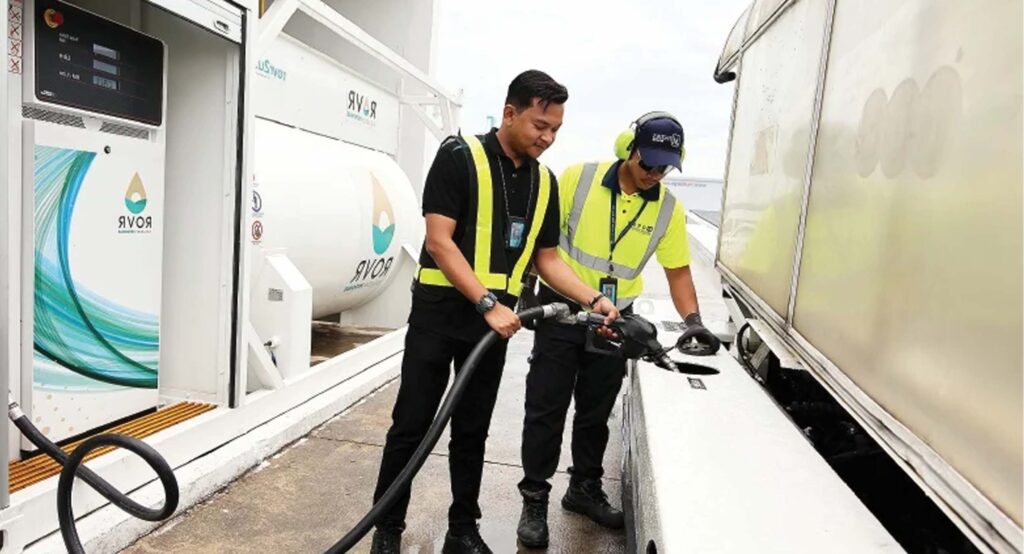
⛽ B100 Biodiesel Set to Shake Up Diesel Costs in Malaysia, Say Industry Leaders
KUALA LUMPUR, April 2026 — Malaysia’s move toward B100 biodiesel is being seen as a “genuine boost” for the energy sector, with industry executives saying it could significantly disrupt traditional diesel pricing.
The development, highlighted in a recent report by NST Online, signals a major shift in how fuel costs and energy sustainability are managed in the country.
🌱 What Is B100 — And Why It Matters
B100 refers to 100% biodiesel, produced mainly from palm oil — one of Malaysia’s key commodities.
Compared to conventional diesel, B100 offers:
- 🌿 Lower carbon emissions
- 🇲🇾 Stronger support for local palm oil industry
- 🔋 Greater push toward renewable energy
This aligns with Malaysia’s broader sustainability goals and energy transition plans.
💰 A Potential Game Changer for Diesel Prices
Industry players say B100 could:
- Disrupt existing diesel pricing structures
- Reduce dependence on fossil fuels
- Stabilise fuel costs in the long term
However, pricing impact will depend on:
- Palm oil market prices
- Government subsidies and policies
- Infrastructure readiness
🏭 Industry Reaction: Cautious but Optimistic
Executives across the energy and plantation sectors are generally positive, calling the move a step forward for both economy and environment.
But there are still concerns:
- ⚙️ Engine compatibility and logistics
- 🚚 Distribution challenges
- 💸 Initial implementation costs
🌍 Bigger Picture: Malaysia’s Energy Shift
Agencies like Malaysian Palm Oil Board and Ministry of Plantation and Commodities Malaysia have been actively promoting biodiesel as part of Malaysia’s long-term energy strategy.
The push toward B100 reflects:
- A stronger focus on renewable energy
- Efforts to reduce carbon footprint
- Support for local agricultural industries
📊 Why You Should Care
- ⛽ Fuel prices could change in the future
- 🌱 More eco-friendly fuel options entering the market
- 💼 Opportunities in green energy and palm oil sectors
🧠 The Bottom Line
B100 biodiesel isn’t just another policy move — it has the potential to reshape Malaysia’s fuel landscape.
If executed well, it could:
👉 Lower emissions
👉 Support local industries
👉 And change how diesel pricing works in the long run